Every hospitality project has a moment when yesterday’s decision-maker is still leading. But shouldn’t be.
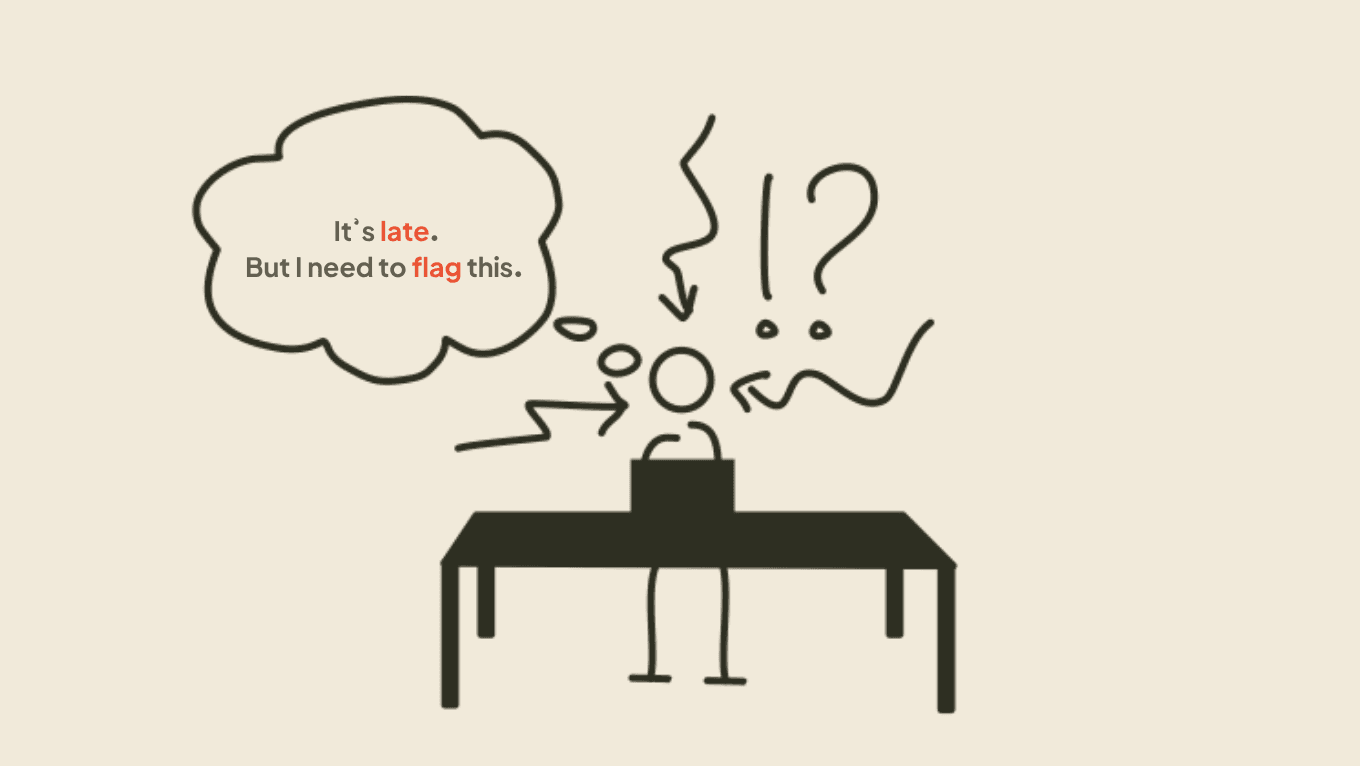
There's no announcement, no emergency meeting. Just a slow accumulation of misaligned calls until someone finally sends the email: "I need to flag something."
By then, the room isn't choosing the best option. It's choosing the least painful one.
Why Project Committees Keep Growing
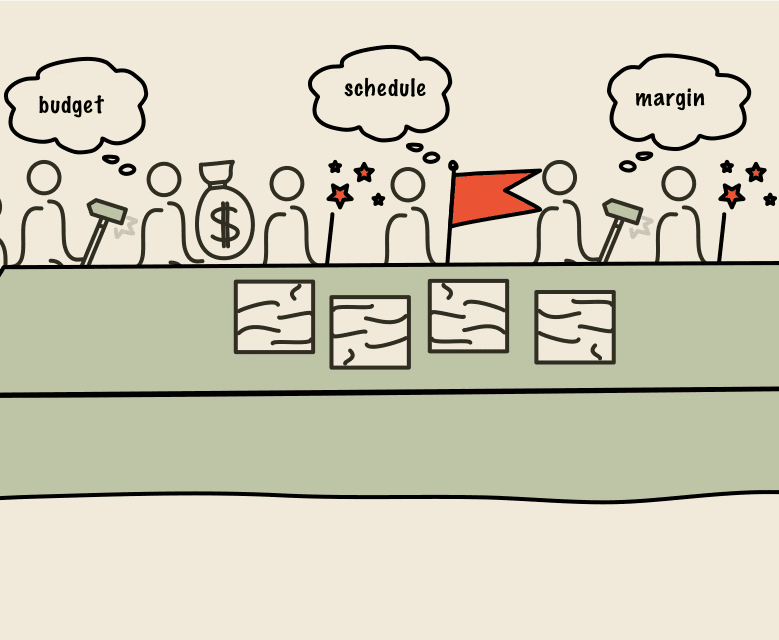
Before we talk about who’s in charge, look around the room.
Project committees have doubled in size in five years. Not because the work got harder. Because it’s riskier than ever to stand alone on a bad call.
I've watched it happen. The room fills up not with more expertise, but with more insurance. More stakeholders, more approvals, more people to share the weight if things go wrong.
ThinkLab explored this exact pattern in a recent podcast on how hospitality decision-making has changed. If you work in this space, it's worth a listen.
As committees grow, authority doesn’t just dilute; it becomes unclear. And unclear authority is where the cost starts to build.
Who Should Lead And When
In the first article, I mapped four archetypes, each protecting a different logic.
What I didn't cover is this: their authority isn't fixed. The spotlight moves with each phase, and the handover is almost never announced.
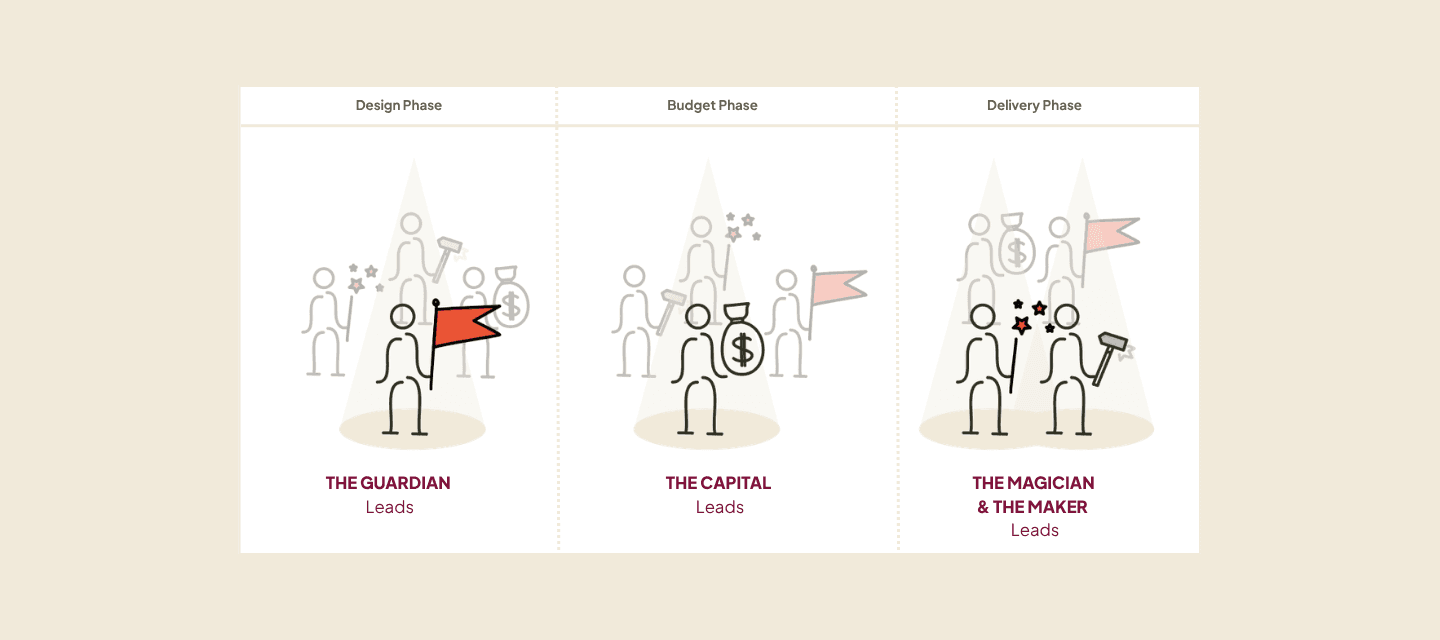
Design phase: The Guardian leads. The project asks, what should this become? Brand, guest experience, identity. That’s their turf.
Budget phase: The Capital steps in. The question flips from what’s desirable to what’s defensible. Some decisions that looked settled quietly die here.
Delivery phase: The Magician and The Maker take over. Now the programme meets reality. Drawings meet production. Lead times and site conditions start calling the shots.
The project doesn’t fall apart here. It just shows what got swept under the rug earlier.
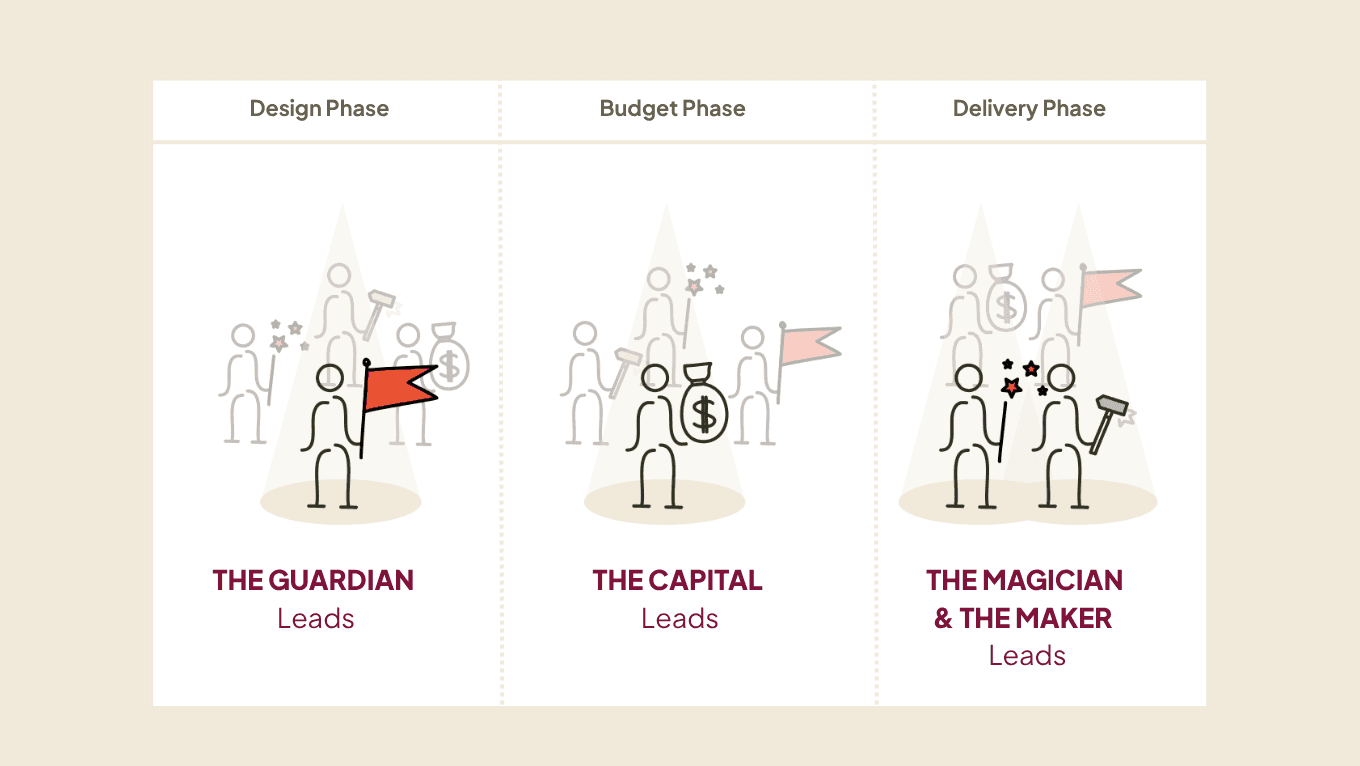
Alignment brings everyone into the room. Sequencing determines whose logic leads.
Everyone speaks. But the spotlight must move as the project moves forward.
When the Wrong Logic Leads
Most project crises don’t start with a blow-up. They start when the wrong person is steering at the wrong time.
The Capital cuts when the design is already set. The Guardian pushes for a material swap after production is locked. The Magician defends a spec that commercial reality already killed, but it’s still on the page.
No one’s being difficult. Each person is defending a logic that makes sense, just not right now. The cost piles up, decision by decision, until someone finally says what everyone already knows.
That’s why great projects get exhausting. People don’t burn out from hard work. They burn out from work that goes nowhere.
What Better Teams Do Earlier
You don’t fix this with another report or steering committee. You fix it by making the phase obvious to everyone in the room before the decision gets made.
Three practices make the difference.
Name the phase before you decide. Just because designers are in the room doesn't make it a design meeting. Just because the owner is present doesn't make it strategic. One question reorients everything: What logic should govern this decision right now?
Bring the downstream voice in earlier. If your supplier isn't in the budget conversation, your budget is a fiction. You're not avoiding conflict; you're postponing it until it costs significantly more.
Suppliers and manufacturers know before anyone else when a beautiful decision is about to turn impossible. They’re almost always brought in too late. Then comes value engineering: stripping specs, swapping materials, renegotiating what was already agreed. Most value engineering isn’t a budget tool. It’s a late excuse for a conversation that never happened.
Surface the truth while it’s still cheap. Most teams know more than they say. The supplier knows the lead time won’t work. The designer suspects the budget is broken. The operator knows the opening date can’t take another hit.
It’s rarely ignorance. No one wants to be the first to say the phase has moved on. Creating space for that conversation early, before pressure turns it into a crisis, is one of the most underrated skills in this industry.
Sequencing is the real work.
Most teams chase alignment. Few manage sequencing.
Alignment asks: Are we all pointing in the same direction?
Sequencing asks: Is the right logic leading this decision right now?
Every archetype belongs at the table. But not every voice should run every decision. When sequencing breaks down, even aligned teams stall while waiting for someone to say what everyone already knows.
That’s when projects quietly become expensive.
The phase moved.
The spotlight didn’t.